| 著者・編者 | McCormick, John P., |
|---|---|
| 出版社 | (U. Chicago Pr., US) |
| 出版年 | 2025 |
| ページ数 | 304 pp. |
| ニュース番号 | <747-804> |
A new window into Machiavelli's idea of virtuous leadership and the appropriate relationship among leaders, common citizens, and elites.
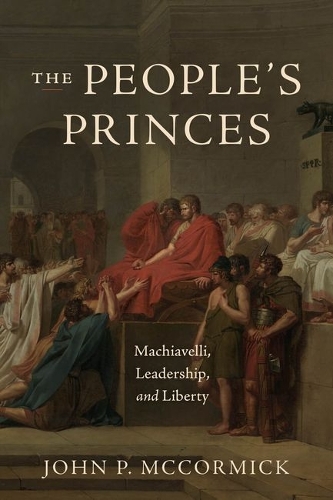
For more than a decade, John P. McCormick has been at the forefront of a new wave of scholarship that reveals the anti-elitist and democratic commitments at the center of Niccolo Machiavelli's political thought. In The People's Princes, McCormick turns his attention to Machiavelli's conception of virtuous leadership and Machiavelli's views on the appropriate relationships among individual leaders, common citizens, and elites.
While most people think of Machiavelli as a cynical advisor of tyrants-a man who counseled leaders to aggrandize themselves, by any means necessary, at the expense of their subjects and citizens-The People's Princes fundamentally challenges this understanding. Drawing from Machiavelli's major political works a normative standard for leadership that emphasizes the mutually reinforcing relationship of civic leadership and popular government, McCormick delineates Machiavelli's method of "political exemplarity" by analyzing in detail the Florentine's case studies of leaders and their interactions with populaces throughout ancient and modern history.
McCormick argues that Machiavelli suggests that civic leaders should enhance their reputations by providing for their own eventual obsolescence; specifically, they should establish institutional means through which common citizens rule themselves more directly and substantively. The People's Princes invites readers to consider Machiavelli anew, and also reflect on insights that remain relevant in the twenty-first century amidst growing concerns that political leaders are not accountable or responsive to popular majorities.